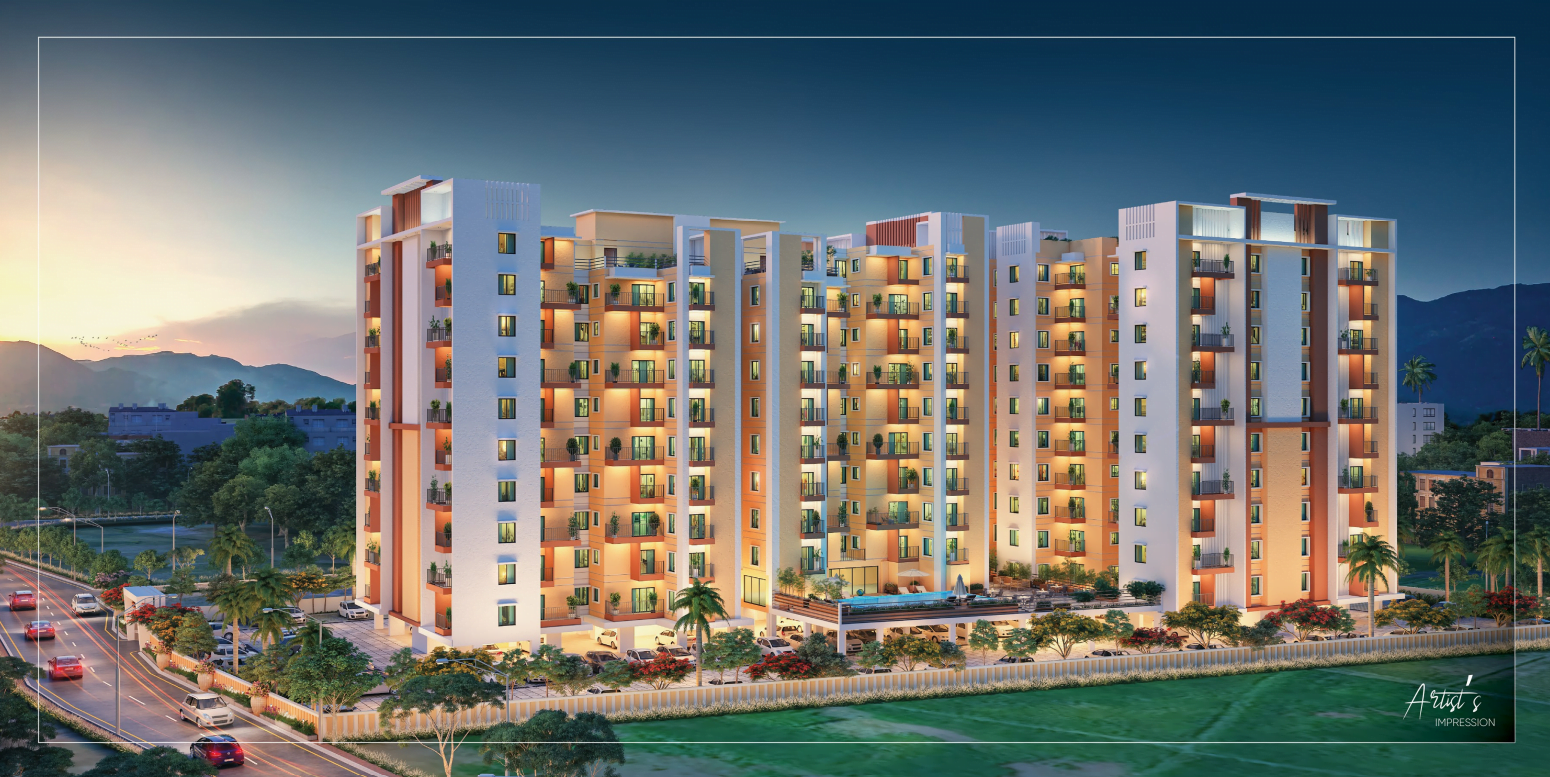


Explore how large-scale urban development and connectivity upgrades are influencing Guwahati’s real estate market. Understand future growth zones and property value trends.
Infrastructure Projects are placing Guwahati at a pivotal moment in its urban evolution. As the largest city in Northeast India, it is no longer viewed merely as a regional hub but as a rapidly expanding metropolitan center with growing national significance. Over the past few years, focused government initiatives, increased private sector participation, and strategic urban planning have begun reshaping the city’s infrastructure landscape. These developments are creating a direct and measurable impact on real estate demand, property pricing, and long-term investment potential.
One of the most decisive growth drivers behind this transformation is the rollout of large-scale Infrastructure Projects, which are redefining connectivity, enhancing livability, and expanding economic opportunities across Guwahati. For property buyers and investors, understanding the relationship between infrastructure growth and real estate appreciation is essential to making informed and future-ready decisions.
At Ambika Housing, we closely analyze these market trends to help our clients identify emerging locations with strong growth potential, stable returns, and sustainable long-term value.
Guwahati’s Shift Toward Planned Urban Development
Traditionally, Guwahati expanded organically, with residential and commercial areas developing around trade routes, river access, and transportation corridors. However, the current phase of growth is more structured and policy-driven. Urban planning initiatives now focus on reducing congestion, improving public transport, enhancing civic amenities, and expanding the city’s footprint beyond traditional boundaries.
This shift has resulted in improved confidence among homebuyers and developers alike. Planned growth brings predictability, which is essential for real estate valuation. Areas that were once considered peripheral are now emerging as promising residential zones due to enhanced access and infrastructure support.
Road Networks and Express Corridors: Opening New Growth Zones
Road development remains one of the strongest influencers of real estate prices. In Guwahati, widened arterial roads, new flyovers, and improved highway links are significantly reducing travel time between residential suburbs and commercial centers.
These Infrastructure Projects have improved access to locations such as Beltola, Lokhra, Chandrapur, and areas surrounding the airport corridor. As daily commuting becomes easier, buyer interest in these neighborhoods increases, driving both land value and housing demand.
From an investment standpoint, road connectivity acts as an early indicator of growth. Property prices often begin appreciating as soon as construction starts, well before project completion. This creates opportunities for early-stage investors to benefit from medium- to long-term appreciation.
Bridges and River Connectivity: Expanding the City Horizontally
The Brahmaputra River has always been central to Guwahati’s identity, but it also posed limitations to expansion. The development of new bridges and enhanced river crossings has changed this dynamic.
Such Infrastructure Projects are integrating North Guwahati more closely with the main city, transforming it from a low-density region into a high-potential real estate zone. Improved accessibility encourages residential development, institutional investment, and commercial activity.
As connectivity improves, developers gain confidence to launch larger housing projects, while buyers are drawn by comparatively lower entry prices and future growth prospects. This gradual integration is leading to steady appreciation rather than speculative price spikes, making it attractive for long-term investors.
Metro Rail and Railway Modernization: Redefining Urban Mobility
Public transport infrastructure plays a decisive role in shaping urban real estate markets. The modernization of Guwahati’s railway infrastructure, along with the proposed metro rail system, is expected to be a major turning point for the city.
Metro connectivity is among the most impactful Infrastructure Projects for real estate valuation. Properties located near metro corridors typically enjoy higher demand, improved rental yields, and stronger resale value due to reduced dependence on private transport.
Once operational, metro-linked neighborhoods are likely to attract working professionals, students, and commercial establishments. This will increase both residential absorption rates and mixed-use development across the city.
Airport Expansion and Regional Connectivity
The expansion of Lokpriya Gopinath Bordoloi International Airport has strengthened Guwahati’s role as the aviation gateway to the Northeast. Enhanced passenger capacity, better cargo handling, and improved access roads are boosting business travel and tourism.
These Infrastructure Projects have a pronounced effect on nearby real estate markets. Airport-adjacent zones are witnessing increased demand for premium housing, serviced apartments, hotels, and commercial spaces. Improved air connectivity also attracts non-resident investors who view Guwahati as a long-term growth destination.
For residential buyers, airport connectivity adds convenience and enhances the overall lifestyle quotient, contributing positively to property value appreciation.
Smart City Development and Civic Infrastructure
Beyond transport, Guwahati is also witnessing significant upgrades in civic infrastructure. Improvements in water supply, drainage systems, waste management, street lighting, public parks, and digital services are enhancing the city’s livability index.
Well-executed Infrastructure Projects under smart city initiatives improve the quality of life, which directly influences buyer preferences. Homebuyers today prioritize neighborhoods with reliable utilities, clean surroundings, and efficient public services.
Such developments also reduce long-term maintenance challenges, making properties in well-serviced areas more attractive to both end-users and investors.
Impact on Residential Property Values
The cumulative effect of infrastructure-led development is clearly reflected in Guwahati’s residential property trends. Areas with confirmed development plans consistently outperform those without planned upgrades.
Key impacts include:
- Gradual but steady price appreciation
- Increased demand for mid-range and premium apartments
- Higher rental demand near transport hubs
- Stronger buyer confidence in emerging localities
Rather than short-term speculation, infrastructure-driven growth supports sustainable real estate appreciation.
Commercial Real Estate and Employment Opportunities
Infrastructure development stimulates economic activity by attracting businesses, educational institutions, healthcare facilities, and service industries. As employment hubs expand, housing demand rises in surrounding areas.
Retail centers, office spaces, and co-working hubs benefit from improved accessibility, while residential projects nearby see higher occupancy rates. This symbiotic relationship strengthens the overall real estate ecosystem and creates multiple income opportunities for investors.
Long-Term Investment Perspective for Guwahati
Compared to India’s major metropolitan cities, Guwahati still offers relatively affordable property prices with strong upside potential. Infrastructure-led growth reduces investment risk by providing visibility and long-term assurance.
Strategic Infrastructure Projects encourage disciplined urban expansion rather than unplanned sprawl. Investors who align their purchases with upcoming development zones are well-positioned to benefit from both capital appreciation and rental income over time.
At Ambika Housing, we recommend focusing on:
- Locations with government-backed development plans
- Areas near transport and connectivity upgrades
- Projects by reputed developers with clear approvals
Conclusion: Infrastructure as the Foundation of Real Estate Growth
Guwahati’s real estate future is being shaped by a new era of planned development and modern urban infrastructure. The influence of Infrastructure Projects extends beyond physical transformation—it builds confidence, attracts investment, and creates sustainable value across residential and commercial markets.
For homebuyers, this means better connectivity, improved amenities, and enhanced lifestyle standards. For investors, it offers stable growth, long-term appreciation, and reduced volatility.
As Guwahati continues its journey toward becoming a modern metropolitan city, infrastructure-led development will remain the cornerstone of property value growth. Ambika Housing remains committed to guiding clients through this evolving market with insight, integrity, and local expertise.