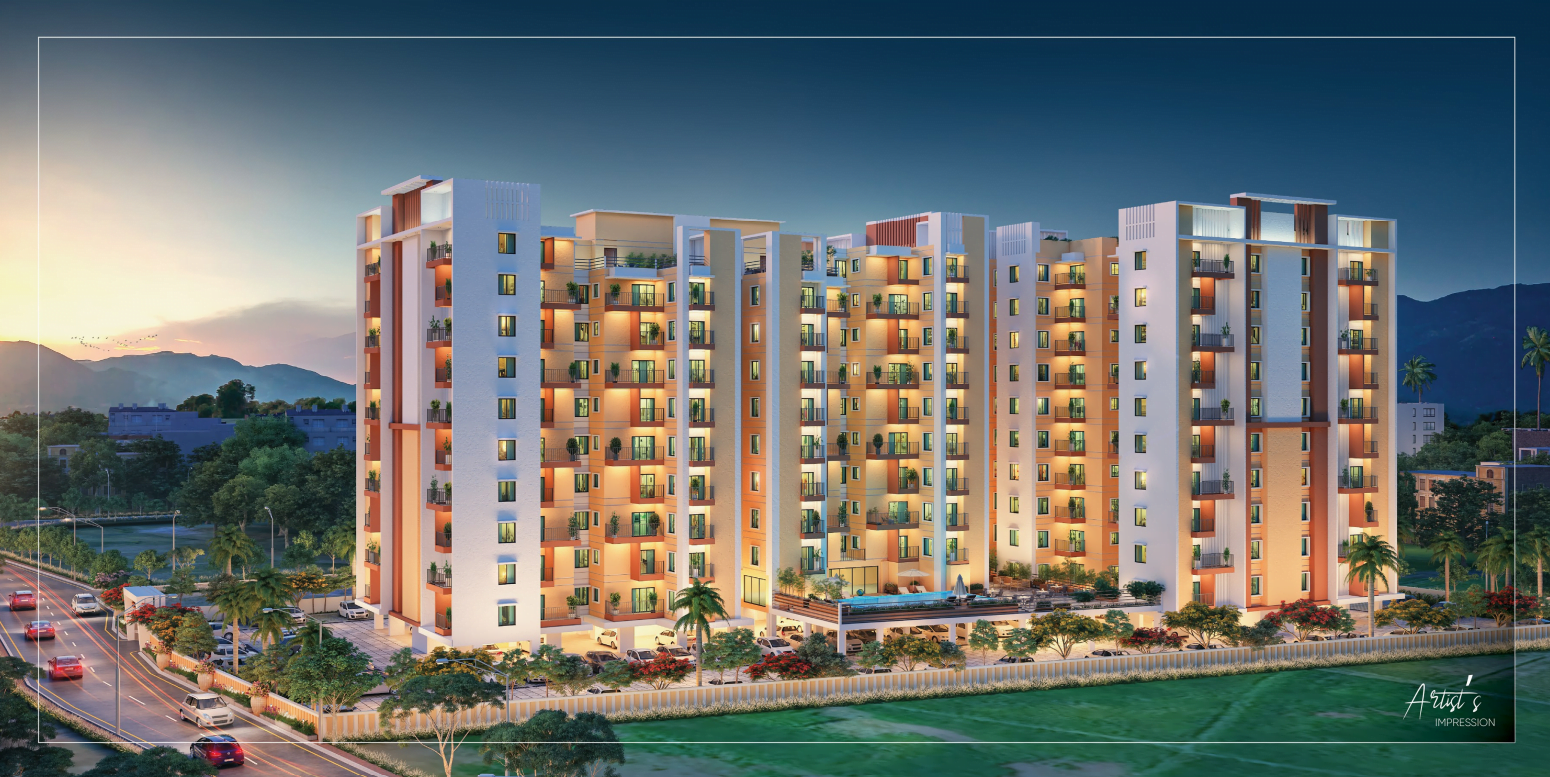


Confused about Freehold vs Leasehold property ownership? Read this detailed 2026 homebuyer guide covering legal rights, costs, resale value, and expert advice from Ambika Housing.
Introduction: Making the Right Property Choice in 2026
Buying a home is one of the most important financial and emotional decisions in a person’s life. As the Indian real estate market evolves in 2026—with tighter regulations, smarter buyers, and long-term investment planning—understanding property ownership types has become more critical than ever. One of the most common questions homebuyers ask is about Freehold vs Leasehold, and which option offers better value, security, and flexibility.
At Ambika Housing, we regularly guide buyers who are unsure about these two ownership structures. Both have their advantages and limitations, and the right choice depends on your goals—whether you are purchasing a home to live in, planning a long-term investment, or buying property for future generations.
This comprehensive guide explains the differences, benefits, risks, and 2026-specific considerations to help you make a confident and informed decision.
Understanding Property Ownership in Simple Terms
Before comparing the two models, it is essential to understand what property ownership legally means.
Property ownership defines:
- Who owns the land and structure
- For how long the ownership is valid
- What rights the owner has to sell, modify, lease, or inherit the property
In India, residential properties are primarily classified as either freehold or leasehold.
What Is a Freehold Property?
A freehold property gives the buyer complete and permanent ownership of both the land and the building constructed on it. There is no time limit attached to the ownership.
Key Features of Freehold Property
- Absolute ownership rights
- No lease expiry or renewal requirement
- Freedom to sell, transfer, or modify (subject to local regulations)
- Property can be inherited without restrictions
From a legal standpoint, freehold ownership provides the highest level of security and autonomy for homeowners.
What Is a Leasehold Property?
A leasehold property is one where the buyer purchases the right to use the property for a fixed period, typically 30, 60, or 99 years. The land remains owned by a government authority or private landowner, and the buyer is essentially a long-term lessee.
Key Features of Leasehold Property
- Ownership is valid only for the lease duration
- Lease renewal may involve additional costs or conditions
- Restrictions may apply on resale or renovation
- Ownership rights revert to the landowner after lease expiry
Leasehold properties are commonly found in certain urban developments and government-planned townships.
Freehold vs Leasehold: Key Differences Explained
Understanding Freehold vs Leasehold requires a clear comparison across legal, financial, and practical aspects.
Ownership Rights
- Freehold: Complete ownership of land and structure
- Leasehold: Right to occupy and use for a limited time
Duration
- Freehold: Lifetime ownership
- Leasehold: Fixed tenure with renewal conditions
Transfer and Resale
- Freehold: Easy resale and transfer
- Leasehold: Often requires permission from the landowner
Modification Rights
- Freehold: Greater freedom (subject to municipal laws)
- Leasehold: Limited changes without approval
Long-Term Value
- Freehold: Appreciates consistently
- Leasehold: Value reduces as lease term shortens
Financial Considerations for Homebuyers
Purchase Cost
Leasehold properties are often priced lower than freehold properties, making them attractive to budget-conscious buyers. However, the lower upfront cost may be offset by future lease renewal fees.
Maintenance and Charges
- Freehold owners usually pay standard municipal taxes
- Leasehold owners may pay additional ground rent or lease charges
Loan and Financing
Banks and financial institutions prefer freehold properties, offering:
- Easier loan approvals
- Better interest rates
- Higher loan-to-value ratios
Leasehold properties, especially those with shorter remaining tenures, may face financing limitations.
Legal Security and Risk Assessment
In 2026, legal clarity and compliance have become major priorities for buyers.
Freehold Properties
- Lower legal risk
- Clear title ensures long-term peace of mind
- Easier inheritance and succession planning
Leasehold Properties
- Risk of non-renewal or high renewal costs
- Dependence on landowner policies
- Legal disputes may arise during transfer or renewal
From a risk-management perspective, many buyers prefer freehold ownership for its stability.
Investment Perspective in 2026
From an investment standpoint, Freehold vs Leasehold is not just about ownership—it is about future returns.
Freehold as an Investment
- Strong appreciation over time
- High demand in resale markets
- Attractive to end-users and investors alike
Leasehold as an Investment
- Suitable for short- to medium-term holding
- Lower entry cost
- Less attractive as lease term reduces
For investors seeking long-term capital growth, freehold properties generally offer superior returns.
Lifestyle and End-Use Considerations
If you are buying a home for self-use, lifestyle flexibility matters.
Freehold Homes
- Greater freedom to renovate or expand
- Sense of permanent ownership
- Ideal for families and future planning
Leasehold Homes
- Suitable for temporary living arrangements
- Less flexibility in personalization
- Better for planned exits before lease expiry
Your intended duration of stay should influence your choice.
Regulatory and Market Trends in 2026
India’s real estate market in 2026 is shaped by:
- RERA compliance
- Increased transparency
- Digitized land records
- Smarter, well-informed buyers
Developers and buyers alike are showing a strong preference for freehold properties due to reduced legal complexity and better resale prospects. That said, leasehold properties still exist in prime urban zones where land availability is limited.
Understanding Freehold vs Leasehold in the current regulatory environment is essential to avoid future disputes and financial surprises.
Which Option Is Better for You?
Choosing between freehold and leasehold depends on your personal and financial goals.
Freehold Is Ideal If You:
- Want permanent ownership
- Are buying for long-term living or inheritance
- Plan to renovate or customize your home
- Seek higher resale value
Leasehold May Suit You If You:
- Are budget-sensitive
- Plan a short- to medium-term stay
- Are purchasing in a prime location with limited freehold options
- Understand and accept renewal conditions
A clear assessment of your priorities will help you decide wisely.
How Ambika Housing Helps You Decide
At Ambika Housing, we believe that informed buyers make confident decisions. Our team assists you with:
- Title verification and legal due diligence
- Clear explanation of ownership structures
- Matching properties to your lifestyle and investment goals
- End-to-end support from site visit to registration
Whether you are a first-time buyer or a seasoned investor, our expertise ensures transparency and peace of mind.
Conclusion: Making a Confident Choice in 2026
The debate around Freehold vs Leasehold ultimately comes down to control, security, and long-term value. In 2026, with rising awareness and stricter compliance, freehold properties continue to be the preferred choice for most homebuyers. However, leasehold properties can still make sense in specific scenarios when chosen carefully.
With professional guidance from Ambika Housing, you can navigate these choices with clarity and confidence—ensuring your home purchase is not just a transaction, but a smart and secure investment for the future.