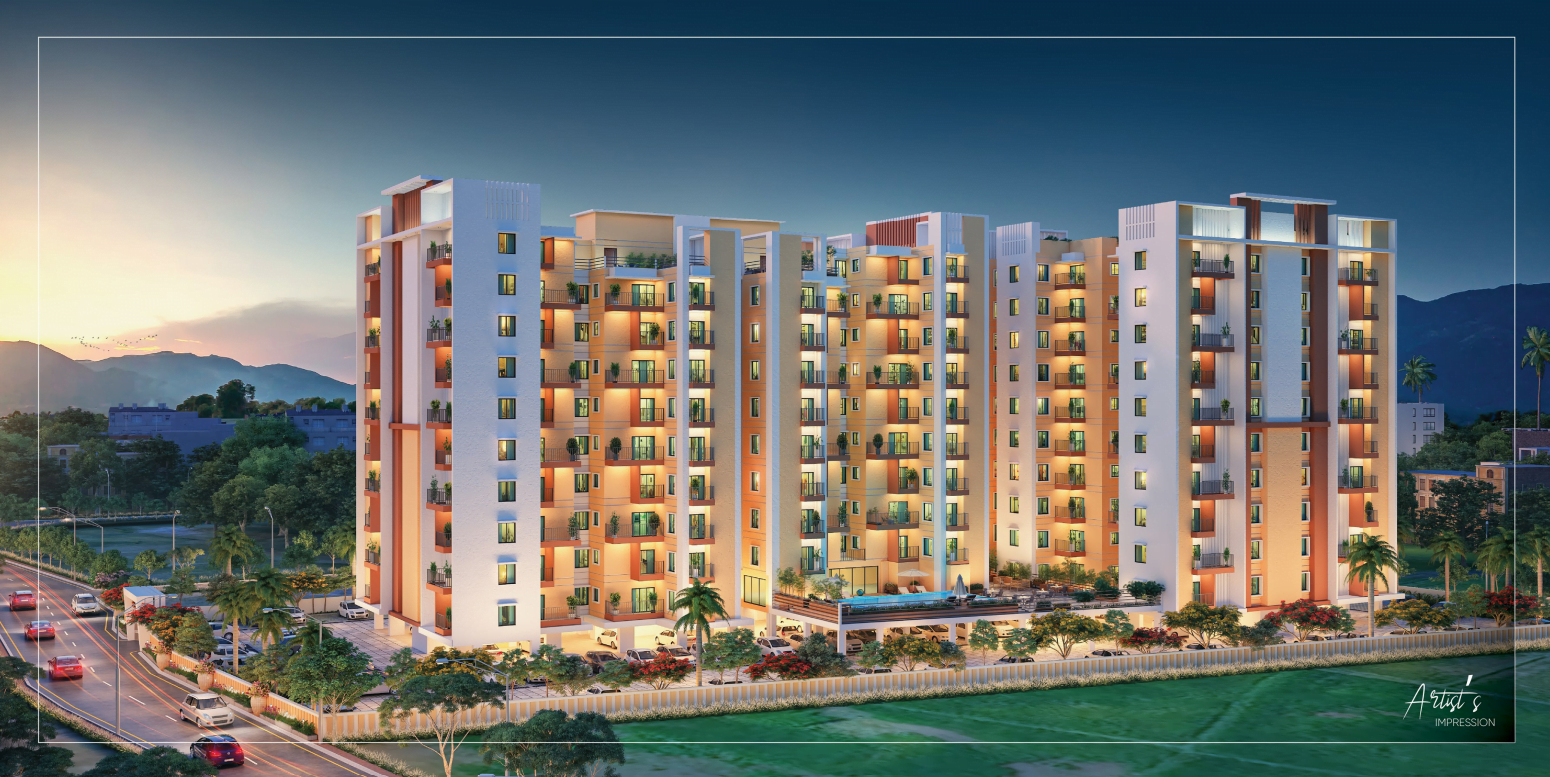

Choose a ready-to-move flat if you need a home within months, want to inspect exactly what you are paying for, or can’t carry rent and an EMI together. Choose an under-construction flat if you can wait two to four years, want a lower entry price and staged payments, and are buying from a developer with a delivery record you can check. In Guwahati, Ambika Narayani is open for bookings now as a RERA-registered under-construction project.
In the under construction vs ready to move debate, neither option wins for everyone. A ready-to-move flat trades a higher upfront price for certainty and no GST. An under-construction flat trades waiting time for a lower entry price, flexible payments and a brand-new home. The right pick depends on three things: how soon you need to move, how much monthly cash you can spare, and how far you trust the builder.
Most articles on this topic stop at a list of pros and cons. That list is useful, but it doesn’t tell you which column you belong in. This guide does. You’ll get the real cost differences in rupees, the legal protections that apply to each option, and seven quick tests that point you to the right answer for your family.
We’ve written it for buyers in Guwahati, with local factors like monsoon checks and Seismic Zone V construction in mind.
What Is the Difference Between Under Construction and Ready to Move?
An under-construction flat is one you book before the building is finished. You pay in stages as construction moves forward, and you get the keys at a promised possession date.
A ready-to-move flat is complete. The developer has received the Completion Certificate (CC) or Occupancy Certificate (OC) from the local authority, and you can move in soon after registration.
That certificate is the dividing line. It decides your tax bill, your loan structure and when you can actually live in the home. A flat that looks finished but is still waiting for its certificate is treated as under construction for tax purposes.
The Cost Gap: What You Actually Pay
Price per square foot is only the starting point. Here is how the full cost compares.
Base price
Under-construction homes are often priced lower at launch than similar finished homes nearby. Developers offer early booking rates because they are raising funds while building. The gap varies by project and location, so compare actual quotes rather than assuming a fixed discount.
GST
This is where buyers are most often caught off guard.
- Under-construction flats: GST applies only when a flat is sold before the OC or CC is issued. The rate is currently 5% for standard homes and 1% for homes that qualify as affordable housing, with no input tax credit.
- Ready-to-move flats: No GST, as long as the certificate has been issued before you buy.
On a ₹60 lakh standard flat, 5% GST adds roughly ₹3 lakh. That amount can cancel out a launch discount, so always compare the all-in price.
Rent while you wait
If you live in a rented flat today, an under-construction home means paying rent until possession. You may also be paying pre-EMI interest on the loan amount the bank has released.
Illustrative example: a family paying ₹15,000 a month in rent spends ₹3.6 lakh over a two-year wait. Add pre-EMI interest on top. If the launch price saving is smaller than this total, the ready flat may be cheaper in real terms.
If you already live in your own or a family home, this cost disappears. That single fact changes the math for many buyers.
Tax relief on the home loan
With a ready-to-move flat, home loan interest deductions start in the first year, subject to your tax regime and limits. With an under-construction flat, interest you pay during construction isn’t deductible straight away. It becomes claimable only after construction is complete, spread over five equal yearly parts. You get the benefit later, not never. Speak to your tax advisor about how this applies under your chosen regime.
Under-Construction Flats: Where They Shine and Where They Hurt
Advantages
- Lower entry point. Launch prices and early booking offers can make a larger home affordable.
- Staged payments. A construction-linked plan spreads payments across building milestones instead of one large sum.
- First pick of units. You choose floor, facing and view before the best options sell out.
- A home nobody has lived in. Fresh fittings, newer lift and fire systems, and no repairs left behind by a previous owner.
- Growth during construction. In a developing locality, values can rise between booking and possession. This is a possibility, not a promise.
Drawbacks
- Delay risk. Possession dates can slip because of approvals, labour, materials or weather. Guwahati’s long monsoon season can slow outdoor work.
- You buy from plans. Brochures and sample flats show intent. The finished flat may differ in small ways.
- Rent and EMI overlap. As shown above, waiting has a monthly cost.
- GST on top of the price.
Ready-to-Move Flats: Where They Shine and Where They Hurt
Advantages
- What you see is what you get. You can walk the actual flat, test the taps, check the light and measure the rooms.
- Move in fast. Once the sale is registered, you can usually shift within weeks.
- No GST when the certificate is in place.
- Easier loan approval. Banks are generally comfortable lending on a finished, certified property.
- No construction delay risk.
Drawbacks
- Higher upfront cost. You pay for completion and certainty.
- Limited choice. The best floors and corner units may already be gone.
- Larger lump sum. Your down payment is due at once, not in stages.
- Age of the flat. If it has been finished for a few years, fittings may need upgrades sooner.
Your Legal Safety Net Under RERA
RERA changed the risk picture for under-construction homes. If you buy in a registered project, the law gives you specific rights. This step-by-step guide to RERA complaints explains the process in detail. The key protections are:
- Advance limit. The developer can’t take more than 10% of the flat’s cost before signing a written agreement for sale.
- Delay remedy. If possession is late, you can choose a full refund with interest, or stay in the project and receive interest for each month of delay.
- Defect liability. Structural defects reported within five years of possession must be fixed by the developer.
- Plan protection. Major changes to the sanctioned plan need consent from two-thirds of the buyers.
In Assam, you can check any project’s registration, approvals and quarterly progress on the Assam RERA portal. Not sure what to look for? Read our guide on what a RERA number means and how to verify it.
These rules lower the risk of buying early. They don’t remove the need to pick a reliable developer.
7 Quick Tests to Decide Which One Is Right for You
Answer each question honestly. Count which side gets more ticks.
- When must you move? Within 12 months, lean ready to move. Can wait 2 to 4 years, lean under construction.
- Do you pay rent now? Yes, and rent is high, lean ready. No, lean under construction.
- Can you pay a large down payment at once? No, lean under construction for staged payments.
- Do you need to see the exact flat before you pay? Yes, lean ready.
- Is this an investment? Under construction often suits long-term investors who want growth before possession.
- Does a specific floor or facing matter to you? Yes, book early in an under-construction project.
- Can you check the developer’s past delivery? If yes and the record is solid, under construction becomes much safer.
Five or more ticks on one side usually gives you your answer.
A Guwahati Checklist for Either Option
Some checks matter more here than in other cities.
- Monsoon test. For a ready flat, visit after heavy rain. Look for seepage on walls, ceilings and around windows.
- Earthquake design. Guwahati sits in Seismic Zone V. Ask the developer how the structure is designed for earthquake loads and which standards were followed.
- Drainage and approach road. Check whether the access road floods during the rains.
- Demand letters vs progress. In an under-construction project, compare each payment demand with the actual stage on site and the RERA quarterly update.
- Certificate in hand. For a ready flat, ask to see the OC or CC before you sign.
Our flat site visit checklist for Guwahati covers these and more, point by point.
Why Ambika Narayani Makes Sense for Under-Construction Buyers
If the tests above pointed you toward an under-construction home, the developer is the most important choice you’ll make. That is where Ambika Housing’s record matters.
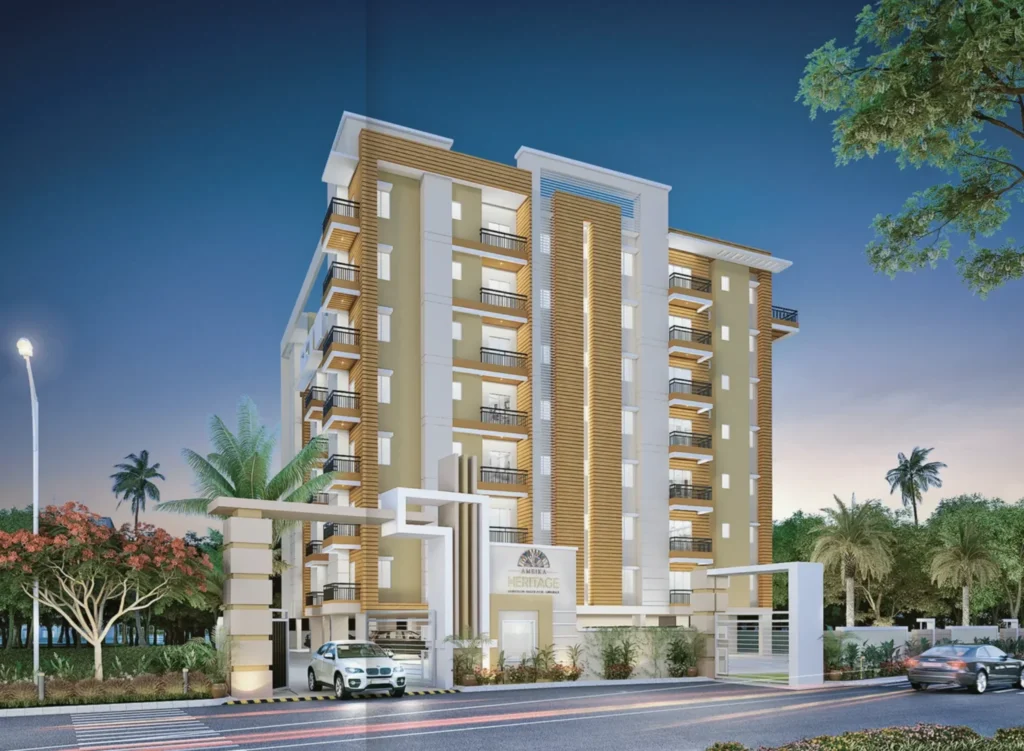
Ambika Housing has been building in Guwahati since 2002. Its homepage lists more than a dozen completed projects marked sold out, including Ambika Heritage, Ambika Green, Ambika Shrine and Ambika Devendra. You can visit these buildings and speak with families who live there.
Ambika Narayani is the group’s newest project, and bookings are open now. Here is what is confirmed:
- 181 residential homes across a G+12 building
- RERA registration: RERAA KM 254 of 2026-2027, which you can verify on the Assam RERA portal
- Booking open, so early buyers get the widest choice of floor and facing
Booking at this stage gives you the core under-construction benefits: launch-stage pricing, staged payments and first pick of units. The RERA registration gives you the legal protections described above.
Ask the Ambika team for the floor plans, carpet areas, payment plan and expected possession date. Then compare them against the seven tests in this guide.
If you need a home sooner, ask the team which completed or near-complete units are available across Ambika projects.
Conclusion: Match the Flat to Your Timeline
The under construction vs ready to move choice comes down to time, cash flow and trust.
- Need certainty and speed? A ready-to-move flat avoids GST and delay risk, but costs more upfront.
- Can wait and want value? An under-construction flat offers a lower entry price, staged payments and a brand-new home, with RERA protecting your money.
- Either way, check the certificate, the RERA record and the developer’s past work before paying anything.
Your next steps:
- Book a site visit to Ambika Narayani. Call or WhatsApp +91-70990-62888 to see the plans and payment schedule.
- Plan your finances first. Read our guide on how to plan a home loan without stress or delay.
- Think about resale. See what drives the resale value of a flat in Guwahati.
- Ask us anything. Email info@ambikahousing.com with your questions about buying early.
Frequently Asked Questions
1. Is it better to buy an under-construction or a ready-to-move flat?
Neither is better for everyone. Buy ready to move if you need to shift soon or want to inspect the exact flat. Buy under construction if you can wait, want a lower entry price, and the developer has a solid delivery record.
2. Is GST charged on ready-to-move flats?
No. GST does not apply to a flat sold after the Completion or Occupancy Certificate has been issued. It applies only to flats sold while still under construction.
3. Are under-construction flats cheaper?
They are often priced lower at launch. After adding GST and any rent you pay while waiting, the real saving can shrink. Compare the all-in cost, not just the price per square foot.
4. What happens if my under-construction flat is delayed?
In a RERA-registered project, you can ask for a full refund with interest, or stay in the project and receive interest for every month of delay until possession.
5. How do I check if an under-construction project is safe?
Verify its RERA registration on the Assam RERA portal, read the quarterly progress updates, visit the developer’s completed buildings, and never pay more than 10% before signing an agreement for sale.
6. Is Ambika Narayani RERA registered?
Yes. Ambika Narayani is registered under RERAA KM 254 of 2026-2027. You can confirm the details on the Assam RERA website.